


Researchers Unlock a Stronger, Greener Way to Bond Wood: Finnish pulp fiber could be used to bond wood for the construction industry

Engineered wood products, such as laminated timber, is a rapidly growing low-carbon alternative to concrete and steel. However, it is not perfect in terms of performance, durability, and sustainability. The adhesive used to fabricate engineered wood often contains fossil-based chemicals such as phenolics, formaldehyde, and isocyanates, which are a major concern. There is a great need to develop bio-based and high-performance adhesive methods as wood construction increases globally.
The performance of engineered wood products highly depends on the strength and water resistance of the bonding interface, where the adhesive and wood come into contact. Poor bonding strength and water sensitivity at the interface can create weak spots that limit both strength and durability.
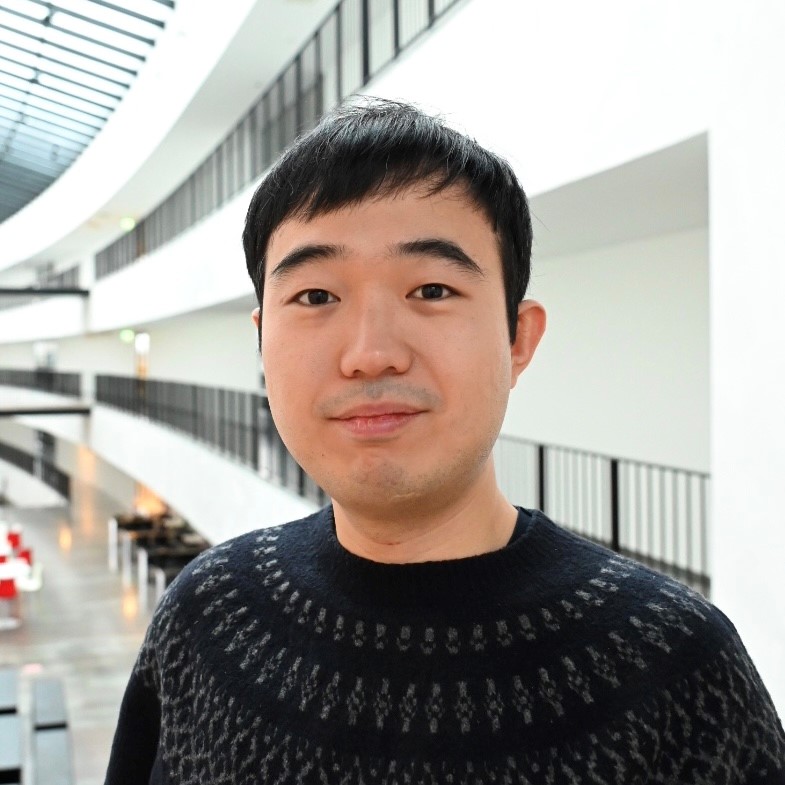
鈥淚nstead of adding a separate adhesive layer, our method takes advantage of the wood鈥檚 own structure,鈥� said Doctoral student Shiying Zhang. 鈥淏y using the natural compatibility of wood with forest-derived pulp fibers, we create a robust bonding structure that becomes part of the wood itself. It shows that sustainability and high performance can go hand in hand.鈥�
The other main team members are Professor Lauri Rautkari and Academy Research Fellow Shennan Wang.
For more details, see the full study: Multiscale Interface Engineering Enables Strong and Water Resistant Wood Bonding, published in Nature Communications.



Read more news

Samu Taulu develops next-generation brain imaging methods
Associate Professor of neurostimulation and neuroimaging Samu Taulu develops more precise methods for understanding the brain
EAA Best Paper and Presentation Award for Young Researchers for postdoctoral researcher Thomas Deppisch
The awarded work shows how speech can be made clearer in noisy environments while still preserving directional cues
Professor Hanna Maylett: 鈥淲ithout time spent together, a shared vision cannot emerge鈥�
According to Hanna Maylett, associate professor of film directing, a director doesn鈥檛 need to know all the answers; rather, their role is to create a process through which those answers can be discovered together.