


New podcast: “Sociotechs”

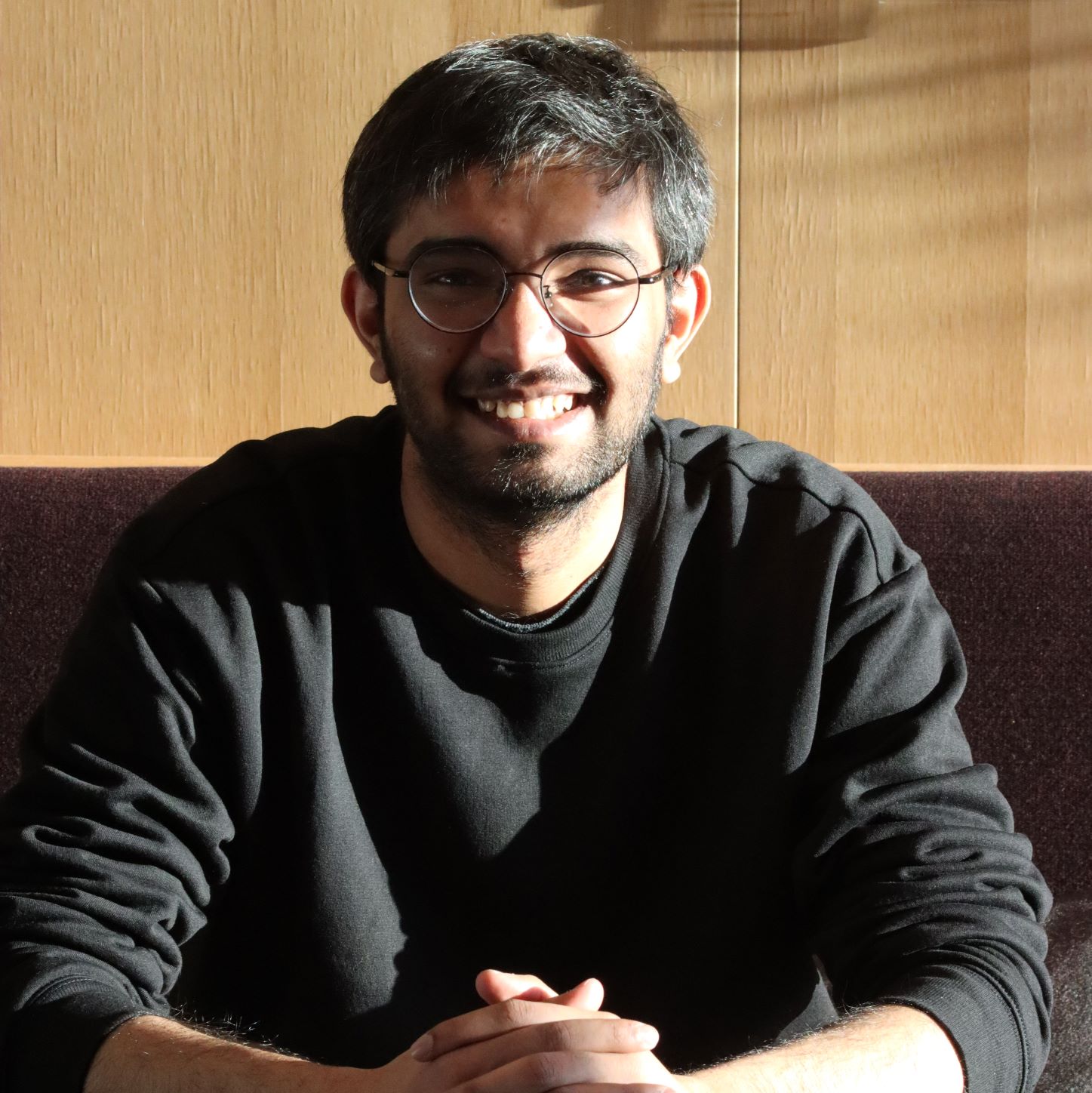
Researcher Tejas Kotha from the Department of Information and Service Management (ISM) at the School of Business is currently pursuing his Ph.D. studies. Now, he has started together with Silvia Masiero, Associate Professor at the University of Oslo, a new podcast series called “Sociotechs”. The podcast aims to explore critical intersections of technology and social issues, with a view of understanding data-generated harm in the light of imagining fairer technologies. In essence they would be inviting guests from IS, ICT4D and Data Justice communities to discuss critical issues and research.
The podcast can be found on all major podcast streaming platforms including:
Spotify:
Apple Podcasts:
Google Podcasts:
Others:
New episodes will be published bi-weekly. Have a listen!
You may also read the complimentary blog posts on their Sociotechs' website. If you want to subscribe to the newsletter for episode releases and related articles, please click on this link: .
Further information:
Podcasts
Our podcasts provide diverse content on learning, science, business, work life and philosophy, among other things. Put on your earphones and get listening!

Read more news

EAA Best Paper and Presentation Award for Young Researchers for Postdoctoral Researcher Thomas Deppisch
The awarded work shows how speech can be made clearer in noisy environments while still preserving directional cues
Professor Hanna Maylett: “Without time spent together, a shared vision cannot emerge”
According to Hanna Maylett, associate professor of film directing, a director doesn’t need to know all the answers; rather, their role is to create a process through which those answers can be discovered together.
From humble beginnings to a captain of industry – a visionary’s final gift lives on at Aalto University
The Lampén bequest supports Aalto University chemical engineering students and future professionals through scholarships. Honorary counsellor and Master of Science (Technology) in chemical engineering Aleksander Lampén was a significant pioneer in the Finnish wood processing and cellulose industries. His legacy continues to promote internationalisation and high-quality research in the field of bioproduct technology. A donation ɫɫÀ² University is an impactful investment in education, innovation and the renewal of society.